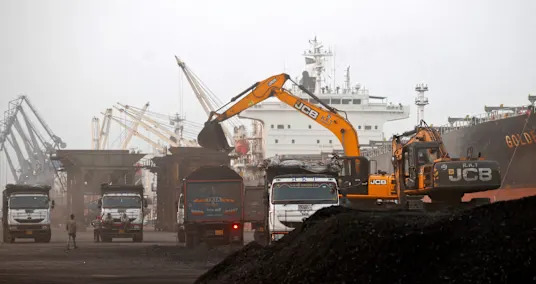
India’s much-delayed 2035 climate plan underestimates the country’s clean energy potential and allows for an acceleration of emissions growth, according to analysts. The plan aims to reduce the emissions intensity of its GDP by 47% from 2005 levels and increase the share of its electricity capacity from nonfossil sources to 60% by 2035.
The reduced carbon intensity target would, however, still allow India’s carbon emissions to increase by 70% over the next decade if GDP grows at a target rate of 7% per year, Lauri Myllyvirta of the Centre for Research on Energy and Clean Air told Semafor. That would translate to emissions growth of 5.5% per year, above the average rate of 3.5% over the past decade.
India is also on track to achieve its clean power capacity target well ahead of time: Its Central Electricity Authority projects that nearly 70% of power capacity will come from nonfossil sources by 2035-36.
“India’s booming clean energy industry is highly likely to deliver much faster progress than policymakers were prepared to commit to,” Myllyvirta said. Disruptions to oil and gas flows caused by the Iran war and the competitiveness of clean energy could strengthen the case for accelerating renewable deployment.


 NAFFIC and Aware to Launch First China-Europe Digital Product Passport
- UK, Canada, Germany, others condemn Israel's West Bank settlement plan
- More people are addicted to marijuana, but fewer of them are seeking help, experts say
- 20-year-old who threatened German train attack remanded in custody
- Is an $85 apple pie worth it? Our Thanksgiving taste test says … maybe.
- Hoist Your Style: Famous Hairdos for Ladies
- Easter Island quarry reveals how Polynesians made enigmatic stone statues
- ‘Downton Abbey: The Grand Finale’ hits streaming: How to watch, cast info and everything you need to know
- Working out at the airport? Some fliers can already smell the sweat.