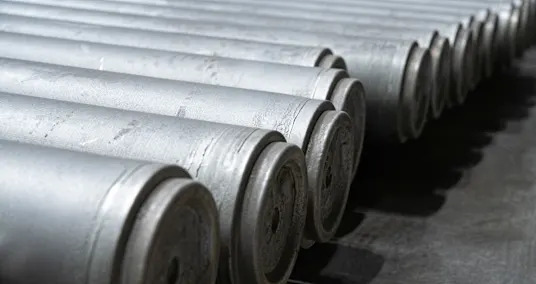
Fears of global aluminium shortages that could affect the production of clean energy technologies intensified after Iran struck two major Gulf aluminium producers, sending prices to a four-year high. The Middle East accounts for 9% of the world’s production of aluminum, which is essential to a wide range of industries from transportation, construction, and packaging, as well as the manufacture of solar panels, electrical transmission systems, wind turbines, and EVs.
Export shipments to the US and Europe had already come to a halt because of the effective closure of the Strait of Hormuz, and Morgan Stanley economists singled out aluminium as carrying a high level of risk across the value chain. Andy Farida, an aluminium analyst at Fastmarkets, told Semafor that high prices would be passed on to end-users, ultimately causing demand destruction. “A prolonged shutdown (with little to no alternative supplies other than Russia and China) could cripple the supply of aluminium to support the production of clean and green technology,” he said, adding that relief could come “if governments allow some sanctioned Russian and Chinese aluminium to be imported.”

LATEST POSTS
- 1
 Ukraine's new defense minister just outlined how dire its troop shortage has become
 - 2Farewell, comet 3I/ATLAS! Interstellar visitor heads for the outer solar system after its closest approach to Earth
- 3Fisherman Attacked by Great White Shark Says ‘My Left Foot Was in His Mouth’
- 4Vote in favor of the Top Vegetable for Senior
- 5Watch South Korean startup Innospace attempt its 1st-ever orbital launch today





- Top Smoothie Flavor: What's Your Mix?
- Doctor's orders: Eat ice cream, and other tips for a long and healthy life
- These Are the Journalists Israel Has Killed Since the Start of the Iran War
- New ‘Cloud-9’ object could reveal the secrets of dark matter
- Overlooked infertility care should be part of national health services, says WHO
- The risk of falling space junk hitting airplanes is on the rise, experts warn
- Figure out How to Pick the Right Toothbrush for You
- Family Holiday spots
- The most effective method to Pick A Trade-in vehicle Stage