A massive dust storm, or haboob, swept across the Sahara Desert from western Algeria into Mauritania, Morocco, Western Sahara and the Canary Islands on March 30. The dust stretched for more than 1,000 miles.
As meteorologists observed the dust storm from space via weather satellites, social media users captured the incoming dust storm on camera. One video shows a thick wall of dust and sand moving toward a resident of the town of Tindouf, near the Mauritanian, Western Saharan and Moroccan borders.
How does the dust affect tropical storms in the Atlantic?
While this storm didn't make it too far off the coast, significant amounts of dust can drift westward from Africa across the Atlantic beginning in May. This can inhibit tropical storm formation, or the strengthening of an existing system, because the dusty air has about 50% less moisture than the typical tropical atmosphere.
Strong winds in the dust layer can also substantially increase the vertical wind shear in and around the storm environment, potentially disrupting any storm that forms.





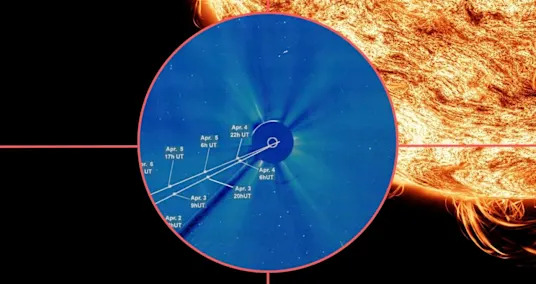
 Comet MAPS faces a make-or-break moment as it dives toward the sun on April 4 — could it shine in the daytime sky?
- A Republican elected governor in California? It's not as far-fetched as it sounds.
- Baikonur launch pad damaged after Russian Soyuz launch to International Space Station
- Vote In favor of Your Favored Kind Of Tea
- Grasping the Course of Evacuation and Extradition in U.S. Migration
- A definitive Burger Confrontation: Which One Rules?
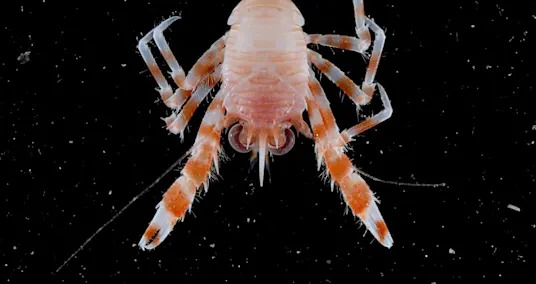
- More Than 110 New Species Discovered In Deep Waters Off Australia
- UN experts urge investigation into Israel’s killing of Lebanese journalists
- Germany's Pistorius: NATO protects Europe from Iranian missiles